Endoscopy Preparation: What Patients Ask (and Fear) the Most
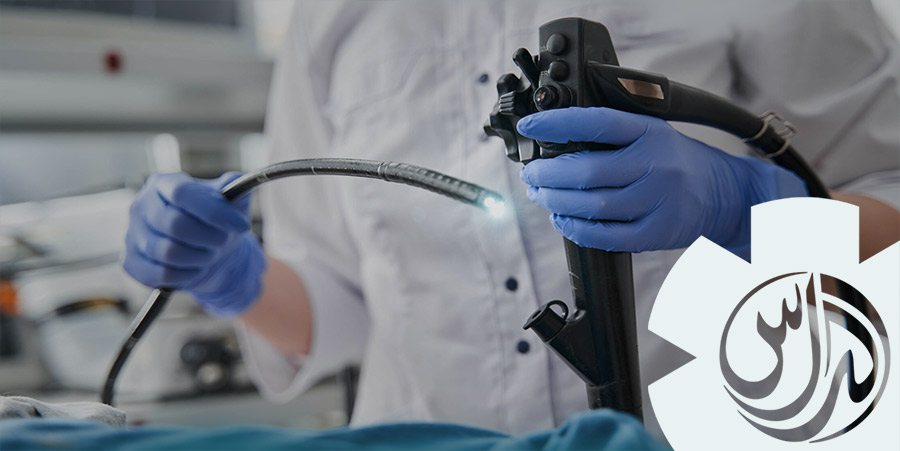
Getting ready for an endoscopy can feel overwhelming, especially if it’s your first time. Understanding the purpose behind it can make you feel more at ease. This important procedure helps doctors look inside your upper digestive system, including your esophagus, stomach, and the first part of your small intestine. It’s used to find the cause of symptoms like heartburn, stomach pain, nausea, or difficulty swallowing, and to check for ulcers, inflammation, or early signs of more serious conditions.
Many people have the same concerns about pain, fasting, medications, or what happens afterward. In this guide, we’ll answer the most common questions, so you feel informed and more at ease.
What Should I Avoid Before the Endoscopy?
Answer: You will usually be asked not to eat or drink anything for 6 to 8 hours before your test. This includes water, tea, and even chewing gum.
Why is this important?
When your stomach is empty, the doctor can clearly see the inside of your digestive tract using the endoscope (a thin, flexible tube with a camera). It also helps prevent the risk of food or liquid accidentally going into your lungs during the procedure.
Tip: Make sure to follow your doctor’s fasting instructions closely before the procedure. If you’re unsure about anything, like whether you can take medications, always ask.
Will the Procedure Be Painful?
Answer: Most endoscopies are done under mild sedation, so you won’t feel pain or remember much of the procedure.
What does sedation mean?
A mild sedative will be given using a tiny needle. It will be injected into your arm or hand to help you relax. This medicine helps you feel relaxed and sleepy, but it’s not the same as full anesthesia. This helps you stay relaxed and feel at ease during the procedure.
After the procedure, you might feel a little bloated or have a mild sore throat, but these side effects usually go away within a few hours.
What Should I Do About My Medications?
Answer: Always tell your doctor about any medications you take, especially blood thinners, diabetes medicine, or supplements.
Why this matters:
Some medicines can increase the risk of bleeding or interfere with sedation. You may temporarily need to stop or change some medications before the procedure, but only if your doctor advises it.
Important: Always check with your doctor before stopping or changing any medicine.
I’m Feeling Nervous, Is That Normal?
Answer: Yes, feeling nervous before a medical test, especially one that uses sedation is completely normal.
Here’s how you can ease the worry:
- Ask your doctor or nurse to explain the steps clearly.
- Have someone accompany you to offer support and help you get home safely.
- Practice simple breathing exercises before your appointment.
The healthcare team is there to help you feel as safe and comfortable as possible.
What Happens After the Endoscopy?
Answer: After your endoscopy, you’ll stay in a recovery area for around 30 to 60 minutes until the sedative wears off.
What to expect next:
- You may feel drowsy or tired for several hours after the endoscopy.
- Try to avoid driving, working, or making important decisions for the rest of the day.
- You may have minor side effects like bloating, gas, or a sore throat, this is normal.
Plan ahead: Make sure someone is available to take you home, as you won’t be able to drive yourself after endoscopy, due to the mild sedation.
Still have questions about your endoscopy? Our gastroenterologists will help you guide through the process and answer all your questions.
Book a visit 04 452 9998 or by filling the online form